

Even under the pressure to win, professional coaches and scouts will share the values of events that promote kids playing baseball in their home communities. It’s the support and camaraderie of those around which make it comfortable to learn. Because not everyone learns at the same rate.
 Versailles, OH – University of Nebraska head baseball coach Will Bolt is one of my favorite Big Ten coaches. You want to talk baseball, and how you learn? Bolt is in the business of winning through player development because talent doesn’t come to Lincoln for the climate and culture.

Wilson Health/Orthopedics proudly sponsors the best in area sports and the Ohio State Buckeyes on Press Pros.
And yet, he wins. When I met with him this past April at Bill Davis Stadium his Cornhuskers were 34-14, second in the Big Ten, and ranked in the top 25 in the country while playing in weather more suitable for Carhartts and hunting Canada geese.
“We have no choice at Nebraska but to look for that player that’s going to become the best version of himself as a baseball player while he’s at the University of Nebraska,” says Bolt, who played at Nebraska, and came to Nebraska seven years ago from Texas A&M where he was an assistant for head coach Rob Childress.

Publisher Sonny Fulks writes OHSAA and Ohio State sports for Press Pros Magazine.com.
“And to find and recruit that kid you have to look for those who are playing in high school, who haven’t given up on themselves as a player for lack of money or because someone told them they weren’t good enough. Because we all know that everyone doesn’t develop at the same pace. It takes time, and it takes a culture of work in which to learn. And that’s where you can find a special player that others overlook, the late bloomer.”
Bolt is not alone in his theory of patience and nurturing while learning how to play baseball, or any sport. Other college coaches, especially at the Junior College level, admit to having a job because they’re willing to take the high school player who’s yet to blossom and give them those two extra years of instruction and time to develop. “You never know when the light may come on,” they say.
“It’s really important that kids get off to a good start in their baseball experience,” says former Wright State coach Ron Nischwitz. “The game should be fun, and it has to be an enjoyable learning experience where you know you’re learning new skills every day. You can feel yourself getting better.”
Bolt likens it to the age-old adage of growing up playing with your friends, as he did growing up in Conroe, Texas.
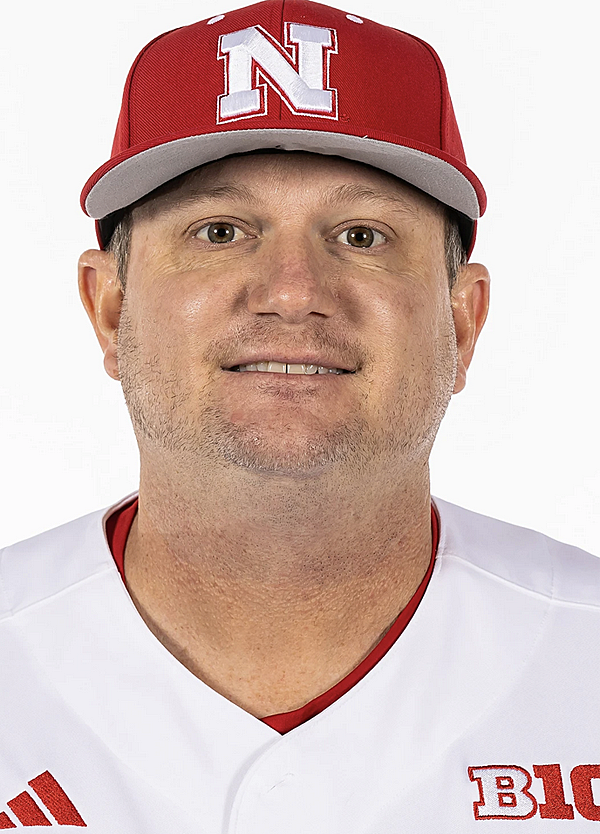
“We didn’t play as many games then as they do now. We practiced the skills that you need to become a good baseball player.” – Nebraska coach Will Bolt
“We didn’t play as many games then as they do now at 12 and 14 years old,” says Bolt. “We practiced the skills that you need to become a good baseball player. That’s one of the problems I have with travel baseball. You play a lot of games but you don’t practice enough. You may have to get that from community baseball.”
In Piqua, years ago, coach Jim Hardman literally had a baseball school that he ran daily at old Fountain Park where kids could come and hit off the ‘iron Mike’ machine, field ground balls from batting practice, shag fly balls in the outfield, and ask questions of Hardman’s high school players who volunteered to work with the younger kids. It didn’t cost a cent. Just come and play.
“If you know someone you’re more comfortable to ask questions, take instruction, then go home and perfect that skill before you come back to the field the next day,” Hardman believed. “You trust your friends to help you learn without criticism, because they’re learning, themselves. Some just learn faster than others.”
This is exactly what Will Bolt believes, and why he supports learning at environments like this weekend’s Stammen Classic that encourages kids from the community to stick together, learn together, and support each other along the way. It’s more fun, as Craig Stammen says, to play with your friends.
“It’s fine to play travel ball if you can afford it,” Bolt assures. “But you need to have a support system while you learn, committed to practice and encouraged to stick with it until you grow into the game.”

Your local Kaup Pharmacy proudly supports amateur baseball on Press Pros Magazine.com.
“We’re actually running the risk of losing half the gene pool of future baseball players by age fourteen,” a professional scout shared with me past spring.
“If they don’t have the money to play travel ball, or someone tells them they’re not good enough to play travel ball, kids are apt to get discouraged and quit baseball altogether. And if that kid doesn’t play high school baseball, do you think his son will play in high school, or his son’s son?
“The trick is to keep more kids in baseball and encouraged to learn until their skills catch up with their physical development. You don’t want to lose the late bloomers. And that’s happening in amateur baseball.”
What you’ll see this weekend in Versailles, and later next month with Minster’s amateur baseball weekend, is that culture of kids playing at home, and learning from each other.
“You have go learn somewhere,” Jim Hardman would say. “And you learn best when you’re playing at home.”

The Worch Company is proud to sponsor the Craig Stammen Classic on Press Pros Magazine.com.